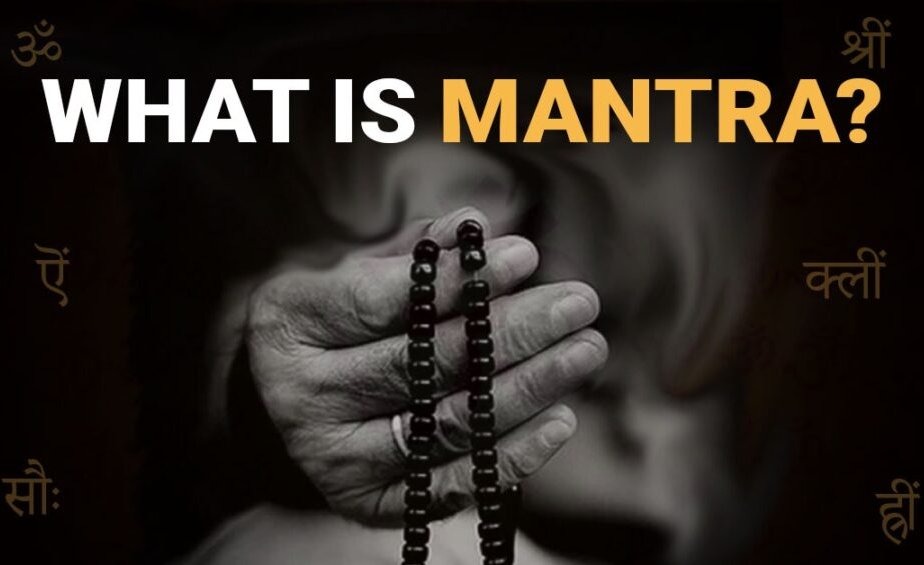
In a world filled with constant noise, distraction, and emotional overwhelm, many people are turning toward ancient wisdom to restore peace and balance. Among the most powerful spiritual tools humanity has preserved is the Mantra, a sacred sound vibration used for healing, meditation, transformation, and awakening consciousness.
But what exactly is a mantra? Why has it been practiced for thousands of years? And how does it influence the mind, emotions, and spiritual life?
Meaning of Mantra
The word Mantra comes from Sanskrit:
- “Man” – mind
- “Tra” – tool or instrument
So, a mantra is a tool for the mind, designed to guide awareness, sharpen concentration, and elevate consciousness. Unlike ordinary words, mantras are considered vibrational sounds that carry energetic frequencies that influence the subconscious mind and the subtle body.
The Power of Sound and Vibration
Ancient yogic philosophy teaches that everything in the universe is vibration. Our thoughts, emotions, experiences, and states of being are all connected to energy frequencies.
Mantras work based on this principle:
- When we chant a mantra,
- The vibration penetrates the nervous system,
- Calms mental fluctuations,
- Aligns emotional energies,
- And creates inner harmony.
This is why people often feel peaceful, centered, and grounded after mantra chanting.
Purpose of Mantras
Mantras are used for various spiritual and psychological purposes, such as:
- Meditation and concentration
- Emotional healing
- Reducing anxiety and stress
- Awakening spiritual awareness
- Self-transformation
- Inner peace and mental clarity
Across traditions, mantras are believed to purify the mind, remove negativity, and bring one closer to their true self.
Types of Mantras
Mantras come in many forms, each serving a different purpose:
1. Seed (Bija) Mantras
Short, powerful single-syllable sounds
Example:
OM – the universal sound of creation
Hrim, Krim, Shreem
These activate specific energies within the body and consciousness.
2. Devotional Mantras
Chanted to connect with divine energy
Example:
- Om Namah Shivaya
- Hare Krishna
- Om Mani Padme Hum
These help cultivate devotion, surrender, and love.
3. Healing and Wellbeing Mantras
Used for emotional, mental, and physical healing
Example:
- Gayatri Mantra
- Mahamrityunjaya Mantra
Such mantras are believed to nourish inner strength and protection.
Scientific Perspective
Modern science is slowly catching up with this ancient knowledge. Research shows that chanting mantras:
- Activates the parasympathetic nervous system
- Reduces cortisol (stress hormone)
- Improves focus and cognitive clarity
- Enhances emotional regulation
- Supports mental health
Even listening to mantras can bring a sense of calm and relaxation.
How to Practice Mantra
Practicing mantra doesn’t require religion, rituals, or complexity. Anyone can experience its benefits.
Simple Steps:
- Sit comfortably with a straight spine
- Close your eyes and relax your breath
- Choose a mantra
- Repeat it softly or mentally
- Keep awareness on sound and vibration
Start with 5–10 minutes and gradually expand.
Mantra and Inner Awakening
Beyond relaxation and emotional balance, mantras lead to something much deeper a connection with the self. Through continuous repetition, they dissolve mental noise, ego layers, and subconscious fears, allowing the practitioner to experience stillness, awareness, and spiritual awakening.
In yogic tradition, mantra is not just sound it is pure consciousness in vibrational form.
Final Thoughts
A mantra is more than just a chant. It is a doorway to inner peace, clarity, healing, and spiritual transformation. Whether practiced for mental calmness or spiritual growth, mantra meditation offers profound benefits for anyone seeking harmony within themselves and the world.
If you feel stressed, lost, or disconnected, begin with a simple mantra like OM and let the vibration guide you back to your center.